Fitbit Versa 2 Versus Versa 3 Key Differences Detailed 2026-05-22
The decision between the Fitbit Versa 2 and the Fitbit Versa 3 represents a classic dilemma for anyone seeking a capable health-focused smartwatch. Both models have been cornerstones of the Fitbit lineup, offering a compelling blend of fitness tracking and smart features. However, subtle yet significant evolutions separate these two generations. Understanding these differences is crucial, as each watch caters to slightly different priorities, from integrated GPS to advanced wellness sensors. Whether you are a first-time buyer or looking to upgrade, a clear comparison highlights which device aligns with your daily habits and long-term fitness goals.
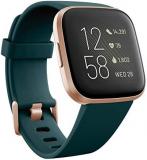
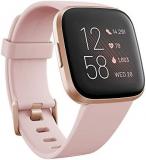
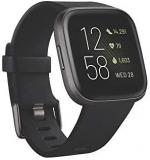
The Fitbit Versa 2 carved out a strong reputation as a stylish and dependable daily companion. It built upon its predecessor by introducing an always-on display option and Amazon Alexa integration, moving beyond the standard fitness tracker into a more lifestyle-oriented device. This model excels in providing detailed sleep tracking and a robust set of workout modes. For users who primarily exercise near their phone, the Versa 2's connected GPS functionality is perfectly adequate, offering accurate route mapping without draining the watch's own battery. The Versa 2 remains a solid choice for those who value extended battery life and a proven, refined operating system for their notifications and health data. Versa 2 is a model that continues to hold its value for daily wear.
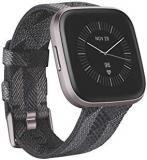
In contrast, the Fitbit Versa 3 represents a significant leap forward in hardware and sensing technology. Its most prominent upgrade is the inclusion of a built-in GPS chip, a feature that revolutionized the user experience for runners, cyclists, and hikers. This allows for tracking pace and distance directly from the wrist without a paired smartphone, offering newfound freedom during outdoor activities. Furthermore, the Versa 3 introduced the highly anticipated Active Zone Minutes metric, which motivates users to elevate their heart rate into specific target zones. This feature is powered by a redesigned PurePulse 2.0 heart rate sensor, which provides enhanced accuracy during both vigorous exercise and rest. Like the Fitbit Versa 3, the newer model also brought a more comfortable, sensor-rich back design and faster charging times compared to its predecessor.
The design philosophy also shifted between these two devices. The Versa 2 features a classic, button-based navigation on its left side, which provides a firm physical feedback for interaction. It comes with a more traditional, rounded edge look that blends seamlessly into a wardrobe. The Versa 3 moved to a sleek, fully touch-based interface with a capacitive side button that offers haptic feedback, giving it a more unified and modern water-optimized shell. Both watches maintain similar display sizes, but the touch interaction method on the Versa 3 feels more contemporary. When considering the broader ecosystem, including the Fitbit brand, both models work flawlessly, but the choice often hinges on whether the physical button of the Versa 2 or the intuitive tap of the Versa 3 is preferred for daily navigation.
Voice assistance capabilities also evolved. The Versa 2 launched its key differentiator with Amazon Alexa, allowing users to ask questions, set timers, and control smart home devices from their wrist. While useful, this feature required an internet connection through the phone. The Versa 3 maintained this functionality but paired it with faster on-device processing and improved microphone quality for clearer commands. It also became compatible with Google Assistant integration shortly after launch, opening up a broader ecosystem for Android users. For those already invested in either the Amazon or Google smart home environment, the Versa 3's dual-assistant capability provides greater flexibility and long-term utility that the Versa 2 cannot match.
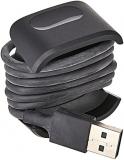
Battery life performance presents another interesting point of comparison. Both models originally promised around six-plus days of typical use. However, the real-world experience can vary depending on feature usage. Enabling the built-in GPS on the Versa 3 will drain the battery faster than using the connected GPS on the Versa 2. Still, for the average user who does not engage in multi-hour GPS workouts daily, both watches will comfortably last nearly a full week between charges. A key advantage for the Versa 3 is its faster charging speed, largely due to the redesigned charging cradle that snaps on magnetically, replacing the awkward clip-on charger of the Versa 2. This simple change makes topping up the battery significantly less frustrating, encouraging regular wear and consistent sleep tracking.
The core health tracking suite remains excellent on both devices. Each provides 24/7 heart rate monitoring, multi-day battery life for sleep stages and Sleep Score analysis, SpO2 (blood oxygen) estimation, and stress management with the Relax guided breathing sessions. The key difference lies in sensor accuracy and the algorithms used to process that data. The PurePulse 2.0 sensor in the Versa 3 is specifically designed to reduce motion artifacts, which can result in more consistent heart rate readings during high-intensity interval training or weightlifting. For general daily activity tracking and baseline health monitoring, the brand has ensured that both models deliver a reliable and user-friendly experience through its comprehensive dashboard.
The choice between these two exceptional smartwatches comes down to personal priorities. The Fitbit Versa 2 is a mature, dependable, and slightly more affordable entry point into the advanced health monitoring world. It remains perfect for walkers, yogis, and anyone who wants a reliable pulse on their wellness without needing standalone GPS. Conversely, the Fitbit Versa 3 is a true evolution, purpose-built for the active user who desires maximum independence during outdoor workouts and values the most accurate sensor data available. It is a statement of intent for a healthier, more connected lifestyle. Whether you choose the proven reliability of the Versa 2 or the advanced capabilities of the Versa 3, both devices embody the dedication to improving personal health that defines the Fitbit brand.